
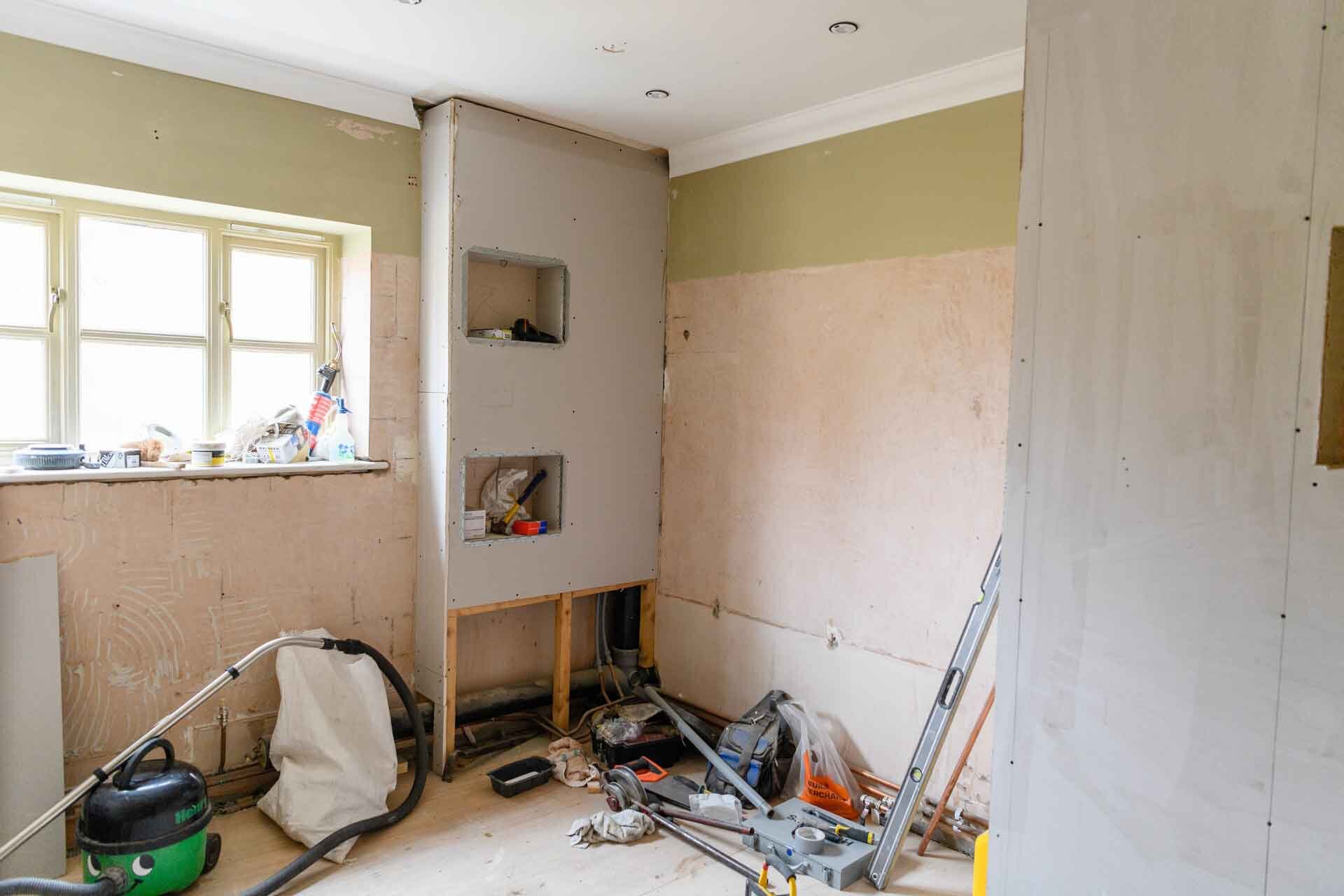
Selling a house with unpermitted work can challenge homeowners in Roseburg, Oregon. Unpermitted work refers to any renovations, additions, or alterations made to a property without obtaining the necessary permits from local authorities.
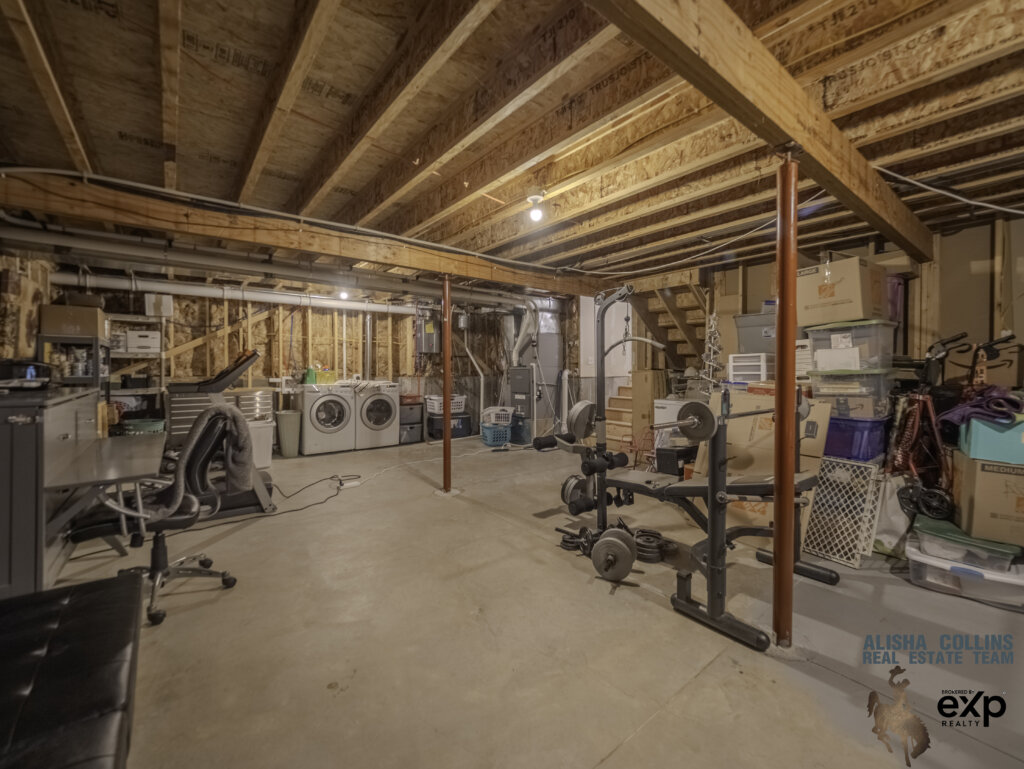
From finished basements to additional bathrooms or renovated kitchens, unpermitted improvements can create significant hurdles when selling your home. This comprehensive guide explores everything sellers need to know about navigating unpermitted work: obtaining retroactive permits, understanding the consequences of non-compliance, identifying when permits are required, researching property permit history, legalizing existing unpermitted work, navigating the permitting process, and preparing for the associated costs you might face.
How to Get a Permit in Roseburg, Oregon After Work Has Been Done

Assess the Situation
When addressing unpermitted work, begin by evaluating the full extent of modifications completed without proper authorization. This crucial first step requires identifying all alterations, additions, and improvements lacking official permits. Consider engaging a professional licensed contractor or certified home inspector to conduct a comprehensive assessment of the unpermitted work. Their expertise will help determine what needs to be addressed to achieve compliance. Working with a qualified contractor or architect provides valuable guidance on bringing the work up to current building codes, preparing the required documentation, and successfully navigating the sometimes complex permitting process.

Contact the Local Building Department
Contact your local building department to discuss your specific situation. They’ll provide personalized guidance on obtaining permits retroactively. Typically, this process requires submitting comprehensive documentation of the completed work and arranging for the necessary inspections.

Prepare Documentation
Develop comprehensive plans and specifications for the unpermitted work that accurately reflect the completed construction and incorporate any necessary modifications to comply with current building codes. Collect all essential documentation, including detailed drawings and specifications of the finished work. When available, obtain any original plans or permits issued for other sections of the house to provide important contextual information.

Submit Permit Applications
Forward your completed permit applications to your local building department. Ensure all necessary documentation is included—detailed plans, specifications, and comprehensive work descriptions. Remember to budget for application fees, which are typically due when submitting your paperwork.

Schedule Inspections
Once the permit applications are submitted, the building department will schedule inspections to verify that the completed work complies with current building codes. Depending on the extent of the work, multiple inspections may be required.

Make Necessary Corrections
If the inspections reveal any code violations or deficiencies, you will need to make the necessary corrections to bring the building up to code. This may involve hiring licensed contractors to ensure the work is done correctly. After making the corrections, schedule follow-up inspections.

Obtain Final Approval
After all inspections are passed and corrections are made, the building department will issue final approval or a certificate of occupancy. This document confirms that the work complies with local building codes and regulations.
Contact Home Scholar to receive a fair cash offer on your Roseburg, Oregon home, even if it’s undergone unpermitted work
"*" indicates required fields
Consequences of Unpermitted Residential Work
Legal and Financial Risks
Unpermitted work can expose homeowners to legal and financial risks. If discovered by local authorities, you may face fines, penalties, and orders to remove or correct the unpermitted work. This can be costly and time-consuming.
Reduced Property Value
Unpermitted work can reduce the market value of your property. Potential buyers may be deterred by the presence of unpermitted work, fearing future legal and financial complications. This can make selling the house at a fair market price difficult.
Difficulty Obtaining Financing
Lenders often require that all work on a property be properly permitted and compliant with building codes. Unpermitted work can make it challenging for buyers to secure financing, further complicating the sale process.
Complications During Home Inspections
Unpermitted work can raise red flags for inspectors during the home inspection process. This can lead to delays, renegotiations, or even the cancellation of the sale if the buyer is unwilling to proceed.
Liability Issues
Homeowners can be held liable for injuries or damages resulting from unpermitted work. This can include structural failures, electrical fires, or plumbing issues that cause water damage. Liability issues can result in costly legal battles.
Increased Insurance Premiums
Insurance companies may charge higher premiums or deny coverage for properties with unpermitted work. This is because unpermitted work is considered higher risk due to the potential for code violations and safety hazards.
When a Permit is Required for Home Repairs
Common Home Repairs Requiring Permits
- Structural Changes: Any changes to a house’s structural components, such as adding or removing walls, require a permit.
- Electrical Work: Installing new electrical wiring, outlets, or circuits requires an electrical permit.
- Plumbing Work: A plumbing permit is required to modify or install new plumbing systems, including water heaters and sewer lines.
- HVAC Systems: Installing or replacing heating, ventilation, and air conditioning systems requires a mechanical permit.
- Additions: Building additions, such as new rooms or extensions, require a building permit.
- Roofing: Major roofing repairs or replacements often require a permit.
- Windows and Doors: A permit is required to install new windows or doors that alter the structure or size of openings.
- Decks and Patios: Constructing or modifying decks, patios, or other exterior structures requires a permit.
Minor Repairs Typically Not Requiring Permits
- Painting and Wallpapering: Cosmetic changes such as painting and wallpapering usually do not require permits.
- Flooring: Installing new flooring, such as carpet, tile, or hardwood, typically does not require a permit.
- Minor Plumbing Repairs: Minor plumbing repairs, such as fixing leaks or replacing faucets, usually do not require permits.
- Landscaping: Basic landscaping and gardening activities typically do not require permits.
How to Check House Permits

Contact the Local Building Department
The easiest way to check if permits have been pulled for work on your house is to contact the local building department. They maintain records of all permits issued for properties within their jurisdiction.

Use Online Permit Databases
Many municipalities offer online databases where you can search for permits by property address. These databases provide information on issued permits, including the type of work, status, and inspection results.

Review Property Records
Review property records, including title reports and previous sale documents, to identify any mentions of permitted work. These records can provide insights into past renovations and improvements.

Hire a Professional Inspector
A professional home inspector can identify unpermitted work and verify if the necessary permits were obtained. Inspectors are trained to recognize signs of unpermitted alterations and can provide detailed reports.
The Permitting Process
Determine Permit Requirements
Contact the local building department to determine the specific permit requirements for your project. Requirements vary based on the type and scope of work.
Prepare Permit Applications
Prepare the permit applications, including detailed plans and specifications of the proposed work. Ensure that all necessary documentation is included.
Submit Applications and Pay Fees
Submit the permit applications to the building department and pay the required fees. Keep copies of all submitted documents for your records.
Schedule Inspections
Once the permits are issued, schedule inspections at various stages of the project to ensure compliance with building codes. Inspections may be required before, during, and after the work is completed.
Make Necessary Corrections
If the inspections reveal any deficiencies, make the necessary corrections to bring the work up to code. Schedule follow-up inspections as needed.
Obtain Final Approval
After all inspections are passed and corrections are made, obtain final approval from the building department. This will ensure that the work is compliant with local building codes and regulations.
Associated Costs in Roseburg, Oregon
Permit Application Fees
Permit application fees vary based on the type and scope of work. Typical fees range from $50 to $2,000 or more.
Inspection Fees
Inspection fees are often included in the permit application fees, but additional fees may apply for follow-up inspections. Typical fees range from $100 to $500 per inspection. Because of this, it’s important to get the work done right the first time.
Correction Costs
The costs of correcting code violations or deficiencies vary based on the nature of the work. Hiring licensed contractors to make necessary repairs can cost anywhere from a few hundred to several thousand dollars.
Penalties and Fines
If local authorities discover unpermitted work, you may face penalties and fines. These can range from a few hundred to several thousand dollars, depending on the severity of the violations.
Professional Fees
Hiring professionals such as contractors, architects, or inspectors to assist with the permitting process can add to the overall costs. Typical fees vary based on the scope of the project and the professionals involved.
How Home Scholar Can Help
At Home Scholar, we understand that dealing with unpermitted work can be overwhelming and expensive. As real estate investors, we specialize in purchasing properties as-is, meaning you don’t need to worry about obtaining permits or making repairs. Here’s how we can assist:
- Quick and Fair Offers: We provide fast and competitive offers, allowing you to sell your property without delay.
- No Permitting Hassles: We buy houses in any condition, so you don’t need to navigate the complex permitting process or make costly corrections.
- Streamlined Process: Our straightforward buying process ensures a smooth and stress-free transaction.
By choosing Home Scholar, you can avoid the complications and expenses associated with unpermitted work, making it easier to sell your house quickly and efficiently.
Selling a house with unpermitted work involves navigating a complex and often costly process. From obtaining permits after the work is done to dealing with potential consequences, it’s essential to understand the steps involved and the associated costs. However, if you prefer a hassle-free solution, Home Scholar offers a convenient option by purchasing properties as-is. Contact us today to learn more about how we can help you sell your house without the stress and financial burden of dealing with unpermitted work. +1 (541) 860-5555
"*" indicates required fields